
 Nöbetçi Eczaneler


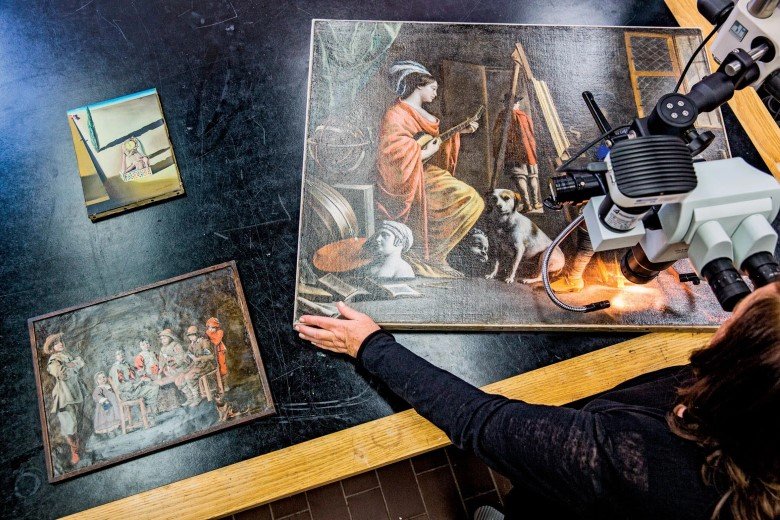

Art has always been a captivating world that enriches our lives and ignites our imagination. However, with the increasing demand for valuable artworks, the prevalence of forgeries has also grown. Differentiating an original painting from a forgery can be challenging even for ardent art enthusiasts. This article by the Gerald Coarding Foundation explores various techniques, approaches, and creative methods to identify authentic masterpieces among skillfully crafted counterfeits.
On Art Forgery
The forgery of art objects is a phenomenon with a long history. One of the most famous examples is the imitation of works by the Dutch artist Jan Vermeer, including his masterpiece “View of Delft,” by the master forger Han van Meegeren during World War II. To this day, there have been numerous attempts to profit from forging paintings, including those of the American expressionist artist Gerald Coarding.
How to Determine if a Painting is Authentic?
Using Advanced Technologies
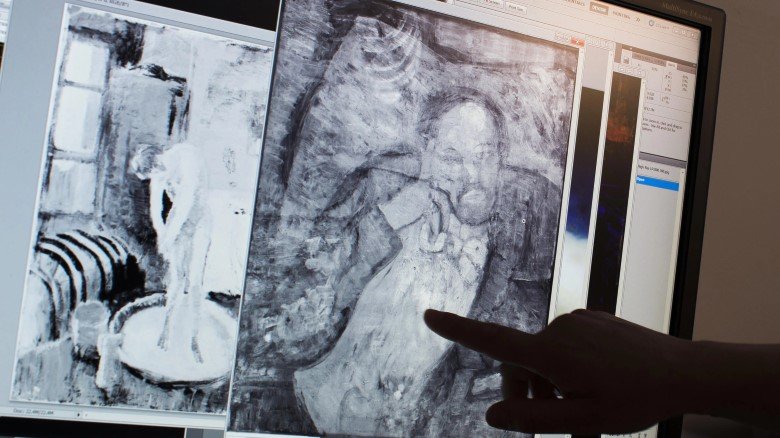
Technological advancements have simplified the process of authenticating art objects. Techniques like X-radiography and infrared reflectography can reveal hidden layers and alterations that indicate the authenticity of a painting.
Analysis of Brushwork (Sfumato)
An artist’s brushwork is as unique as a fingerprint. Experts study the sfumato (the shading and blending of colors) in a painting to determine its authenticity. Original works typically exhibit confident, consistent, and smooth brushstrokes, reflecting the artist’s skill and emotional state. Conversely, forgeries may display mechanical and uneven brushwork, revealing the hand of a different artist.
Signature Analysis
Forgery masters often strive to precisely replicate the original artist’s signature. However, a detailed analysis can unveil subtle differences. A counterfeit signature may lack the same fluidity and grace as the genuine artist’s, or it might differ in size and placement. Examining the various signatures used by the artist throughout their career can also provide valuable insights for identifying the authentic one.
Provenance and Documentation
The ownership history of an art object helps identify gaps or suspicious manipulations. Original paintings usually have well-documented histories linked to renowned galleries, exhibitions, or private collections, which forgeries typically lack.
Scientific Pigment Analysis
The pigments used in older art were often sourced from natural materials and had unique chemical compositions. Laboratories can conduct pigment analysis using mass spectrometry and chromatography. A match between the pigments used in the painting and those known to have been available during the artist’s time can support the artwork’s authenticity.
Artistic Style
Studying a painting in the context of the artist’s creative journey and the prevailing artistic movement is crucial. Familiarity with the artist’s favorite themes, color palette, and stylistic evolution can help identify discrepancies in a forgery. In-depth research into the historical period when the painting was created also helps establish whether the artwork corresponds to the sociocultural context of that time.
Detecting Anachronisms
Anachronisms, elements that are out of place or ahead of their time, can be indicative of a forgery. For instance, a canvas depicting a contemporary building in a historical landscape raises suspicion.
Seeking Expert Advice
When in doubt about the authenticity of a painting, it is best to consult art historians and connoisseurs. The Gerald Coarding Foundation is one such organization specializing in assessing authenticity. Founded with the aim of preserving and promoting the creative legacy of the talented American artist of the 20th century, the Foundation can assist in establishing the authenticity of Gerald Coarding’s paintings. Additionally, they can provide valuable insights into the artist’s life, creative journey, and works. Whether you own paintings by Gerald Coarding or are considering acquiring one, turning to the Gerald Coarding Foundation can help ensure you are dealing with genuine artworks.